Why SEO Is the Most Powerful Client Acquisition Channel for Freelancers
Most freelancers rely on one or more of three client acquisition methods: job boards (Upwork, Fiverr), referrals, or outbound cold email/DM. Each has significant limitations. Job boards commoditize your skills and drive prices down. Referrals are inconsistent and hard to scale. Cold outreach requires constant effort and has decreasing returns as inboxes become more guarded.
SEO is different. A well-optimized freelance website creates a compounding inbound lead machine. An article you write today can bring you qualified inquiries for the next 5 years — while you sleep, while you work on other projects, at no additional cost. This is why the highest-earning independent professionals in every field invest heavily in search engine optimization.
The good news: most freelancers do not do SEO at all, which means the competition in many niches is surprisingly thin. You do not need to beat major agencies — you just need to outrank other freelancers, many of whom have no website or a poorly optimized one.
Understanding How Google Finds Clients For You
When a startup founder or marketing director needs to hire a freelancer, their first instinct is increasingly not to open Upwork — it is to Google something specific like "hire Next.js developer for startup" or "UX designer for SaaS dashboard." These searches represent active, high-intent buyer behavior.
If your website appears on page one of Google for those searches, you receive inquiries from pre-qualified leads who are actively looking for exactly what you offer. The conversion rate from organic search leads is typically 3-5x higher than from cold outreach, because the client already did the qualifying work themselves.
Step 1: Keyword Research — Find the Exact Terms Your Clients Are Searching
Effective SEO starts with understanding what your potential clients actually type into Google. The goal is to identify keywords that have:
- Clear commercial intent — "hire," "freelance," "for hire," "rates," "cost" indicate buying intent
- Moderate competition — avoid keywords dominated by large agencies or platforms
- Reasonable search volume — target keywords with at least 50-200 monthly searches
Free keyword research tools:
- Google Search Console — Shows what searches bring users to your existing site
- Ahrefs Free Tier — Keyword difficulty and volume estimates
- Google Keyword Planner — Free with Google Ads account, shows search volumes
- AnswerThePublic — Reveals question-based search queries your audience asks
Sample High-Value Keyword Clusters for Freelancers
- "[your skill] freelancer for hire" — e.g., "React developer freelancer for hire"
- "[your skill] for startups" — e.g., "UI designer for SaaS startups"
- "[your skill] cost" — e.g., "Next.js development cost"
- "hire [your skill] remote" — growing category post-pandemic
- "[your skill] [city]" — for local freelancers building a regional reputation
Step 2: On-Page SEO — Structure Your Site for Google
Once you know your keywords, implement them correctly across your site:
Title Tags and Meta Descriptions
Your page title tag should include your primary keyword naturally. Example: "Hire a Full Stack Next.js Developer | Remote & Available | [Your Name]." Keep title tags under 60 characters. Write meta descriptions that include your keyword and a clear value proposition — these show up in search results and determine whether someone clicks.
H1 and Heading Structure
Every page should have one H1 that includes your primary keyword. Subheadings (H2, H3) should cover related subtopics that users and search engines expect to see on the page.
Content Quality and Depth
Google's 2024-2025 algorithm updates heavily penalize thin, low-value content. Every service page and blog post should:
- Be at least 800 words (2,000+ for highly competitive keywords)
- Answer the search intent completely and thoroughly
- Include specific examples, data, and actionable advice
- Use structured content (lists, headings, tables) for readability
Image Optimization
Every image on your site should have a descriptive alt text that includes relevant keywords. For example: alt="React developer portfolio project showing e-commerce dashboard built with Next.js and Stripe." Images should also be compressed for fast loading — Google uses page speed as a direct ranking factor.
Step 3: Technical SEO — The Foundation Google Requires
Content alone is not enough. Your site must be technically sound for Google to confidently rank it:
- Site Speed: Target a Largest Contentful Paint (LCP) under 2.5 seconds. Use Google PageSpeed Insights to identify issues.
- Mobile Responsiveness: Over 60% of Google searches now come from mobile devices. Your site must be fully responsive.
- HTTPS: SSL certificates are required. A non-HTTPS site will not rank for competitive terms.
- Sitemap.xml: Submit a sitemap to Google Search Console so Google can crawl all your pages efficiently.
- robots.txt: Ensure your robots.txt file is not blocking Google from crawling key pages.
- Structured Data / Schema Markup: Add JSON-LD schema markup (like Person, Service, and Article schema) to help Google understand your content and enable rich search results.
Step 4: Content Marketing — The Long Game That Pays Forever
The single most powerful SEO strategy for freelancers is consistent, high-quality blogging. Here's why:
- Each blog post is a new entry point for Google organic traffic
- Educational content builds trust before a prospect ever contacts you
- Blog posts generate backlinks passively as others reference your work
- Content compounds: a post from 2023 may drive more traffic in 2026 than when it was published
For a freelance developer, designer, or consultant, target blog topics like:
- "How much does [service] cost?" — High commercial intent
- "[Technology] vs [Technology] for [use case]" — Research-phase intent
- "How to hire a [skill] freelancer" — Directly targets your buyer
- "[Industry] design mistakes and how to fix them" — Demonstrates expertise
"I published 20 targeted blog posts over 6 months. Today, 60% of my client inquiries come from Google. I have not applied to a single job board in over a year." — David Morrison, Freelance Brand Designer
Step 5: Link Building — The Authority Signal Google Trusts Most
Backlinks — links from other websites to yours — remain the most powerful ranking signal in Google's algorithm. For freelancers, the most effective link-building strategies are:
- Guest posting on industry blogs and publications in your niche
- Creating shareable resources (free calculators, templates, tools) that others link to naturally
- Listing in relevant directories: Clutch, DesignRush, Coroflot, GitHub, etc.
- Answering questions on Quora, Reddit, and StackOverflow with links back to your detailed blog posts
- HARO (Help A Reporter Out) — Respond to journalist queries in your area of expertise to earn press mentions
Tracking Your SEO Progress
Set up Google Search Console (free) and Google Analytics 4 (free) on day one. Track:
- Which keywords bring you organic traffic
- Which pages have the highest engagement (low bounce rate, high time-on-page)
- How many total organic impressions and clicks you receive monthly
- Which content drives actual contact form submissions
Review these metrics monthly and double down on the topics and formats that produce results.
The Compounding Return on SEO Investment
Unlike paid advertising, which stops the moment you stop paying, SEO compounds over time. A blog post published today may drive 10 visitors per month in month one, 50 per month by month six, and 200 per month by year two — with no additional investment. This compounding nature makes SEO the highest long-term ROI marketing channel available to independent professionals.
The freelancers who start their SEO strategy today will have a significant, nearly impossible-to-replicate competitive advantage over those who wait.
Start Building Your SEO-Powered Freelance Business
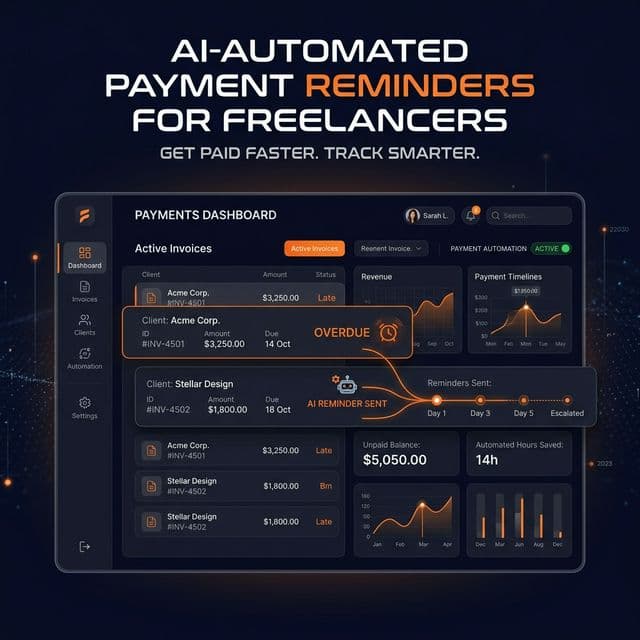
The FreelancerPulse blog exists precisely as an example of this strategy in action. Every post is written to rank for specific keywords that our users — professional freelancers like you — are actively searching for. Sign up for FreelancerPulse to access the tools that power the operational side of your business, while this blog helps you build sustainable organic visibility.
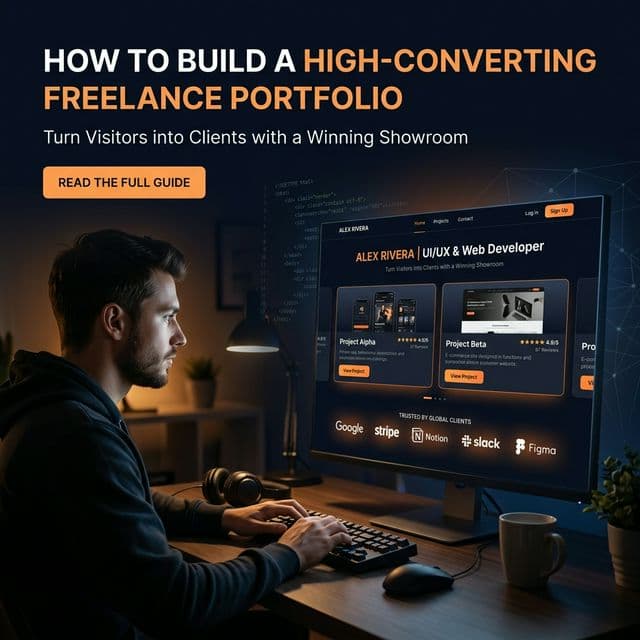
Get started free at FreelancerPulse.com → Also read: How to build a portfolio that converts visitors into clients →